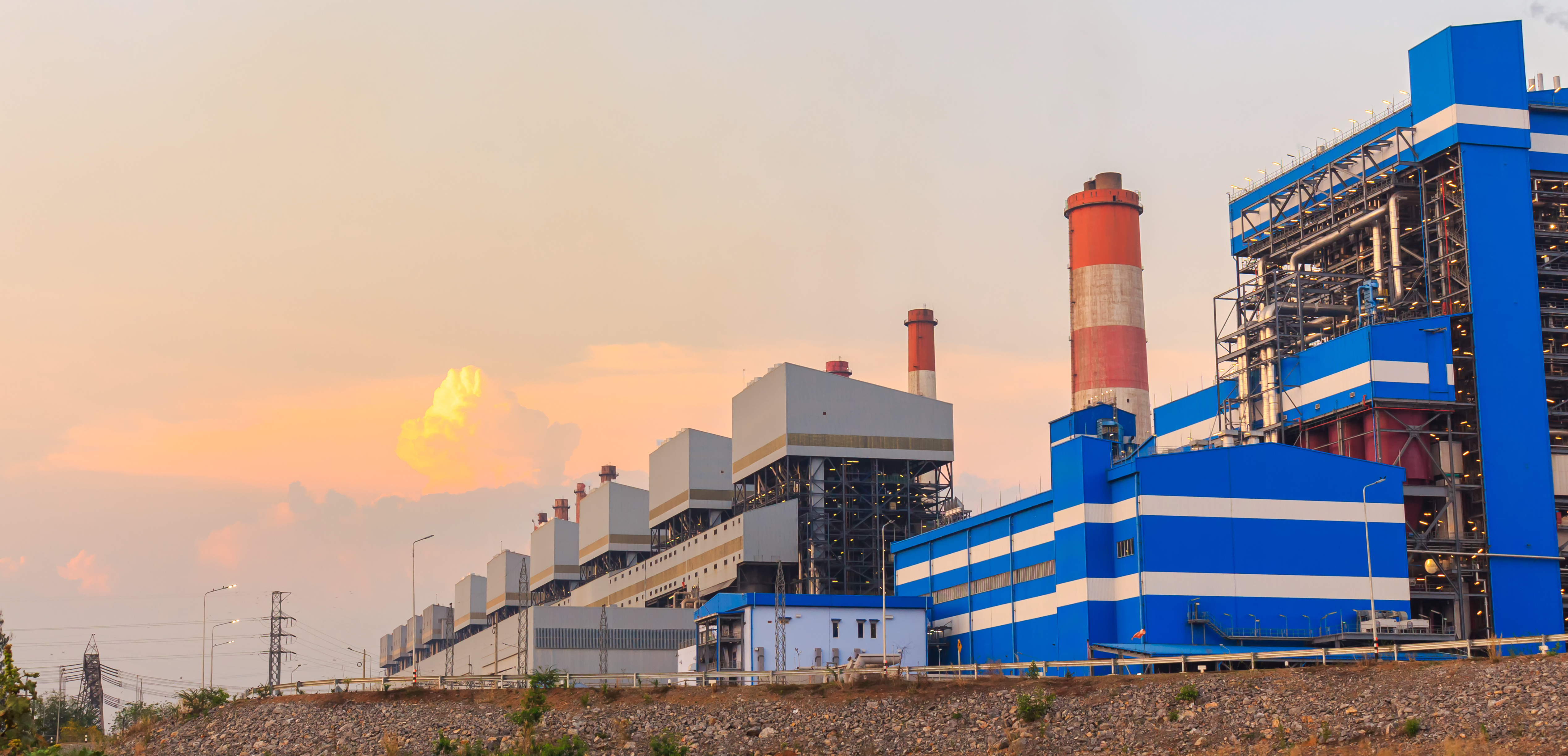
Belvedere, London
Riverside Energy Park
Modern infrastructure designed to recover value from residual waste.

Riverside Energy Park Limited is focused on developing modern energy recovery infrastructure that supports a more sustainable and resource-efficient London.
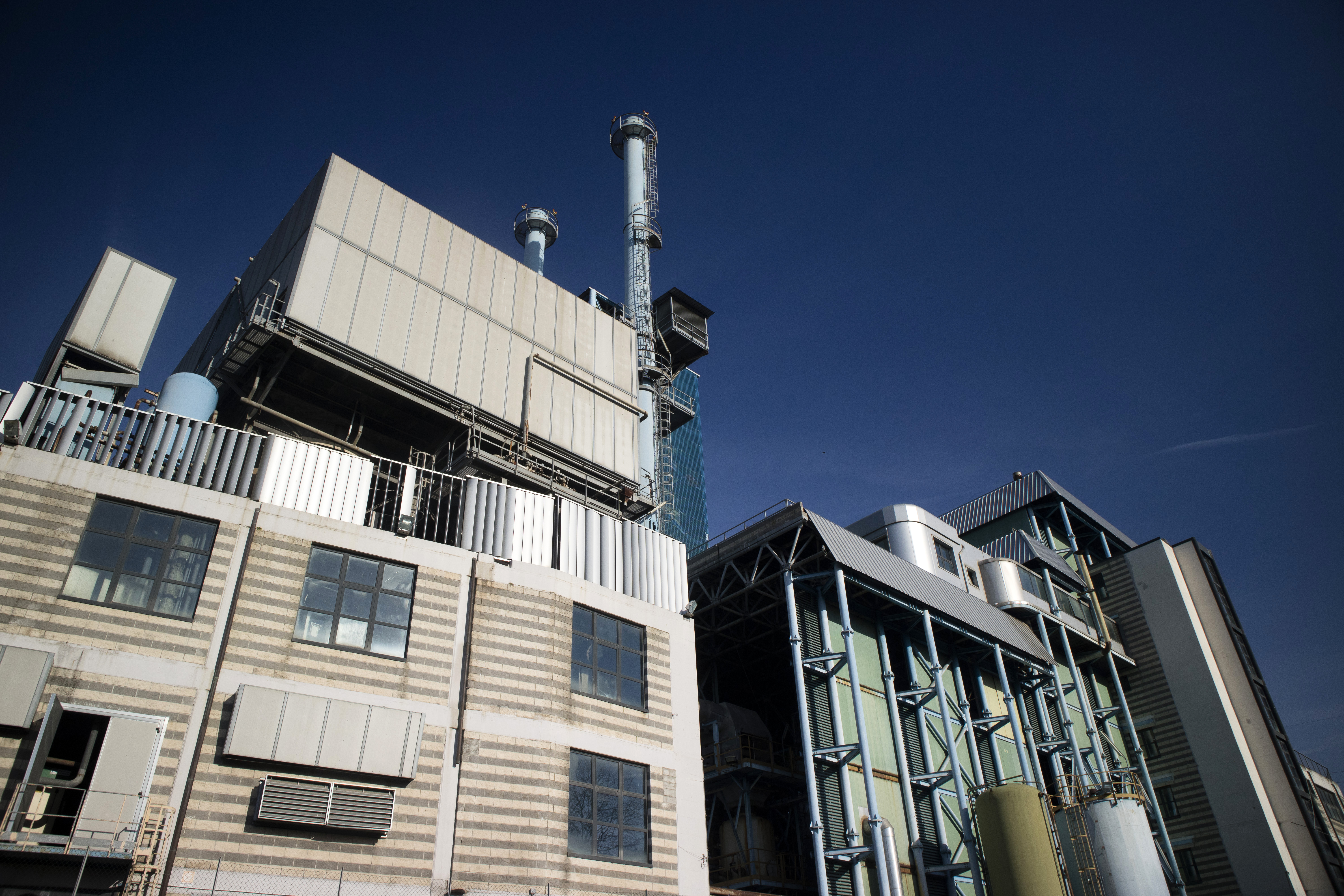
Riverside Energy Park Limited forms part of the wider Cory Group infrastructure network and is focused on the responsible recovery of energy from residual waste.
Residual waste is material that remains after opportunities for reuse and recycling have been exhausted. Rather than sending that material to landfill, energy recovery allows its remaining value to be used to generate useful electricity and support a more circular economy.
Riverside Energy Park supports this wider approach by helping create long-term infrastructure for resource recovery, energy generation and more sustainable waste management in London.
Riverside Energy Park is built around a clear approach to managing residual waste responsibly while recovering energy and supporting London's long-term resource needs.
Our focus is to recover more value from materials that cannot reasonably be reused or recycled, reduce reliance on landfill and support modern infrastructure for the future.
Located in Belvedere, within the London Borough of Bexley, Riverside Energy Park is designed to provide additional energy recovery capacity while supporting London's wider waste-management and recycling infrastructure.
Modern infrastructure designed to recover value from residual waste.
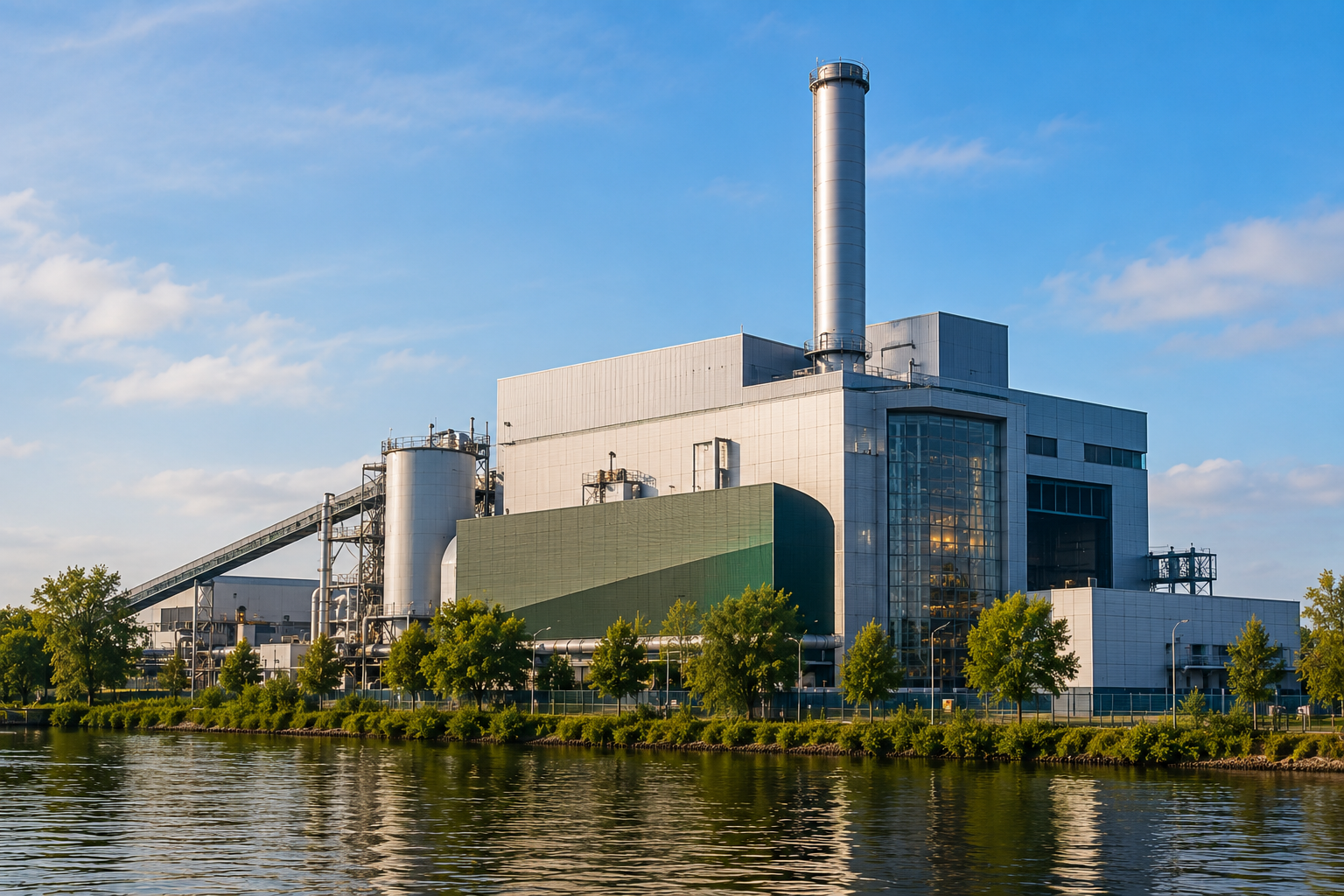
A major addition to London's energy recovery infrastructure.
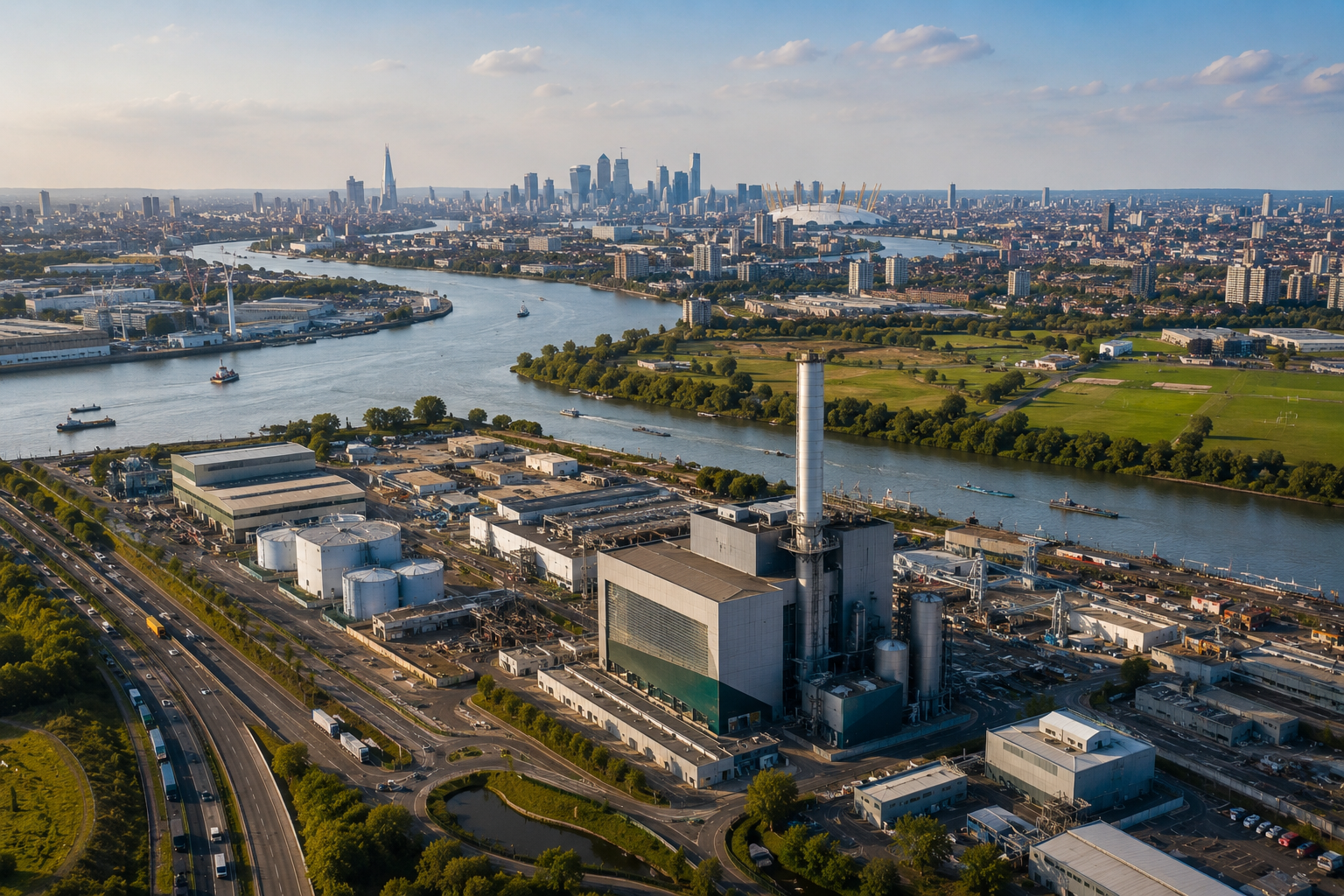
Connected to London's established resource and energy infrastructure.
Approximate electricity generation capacity designed for Riverside 2.
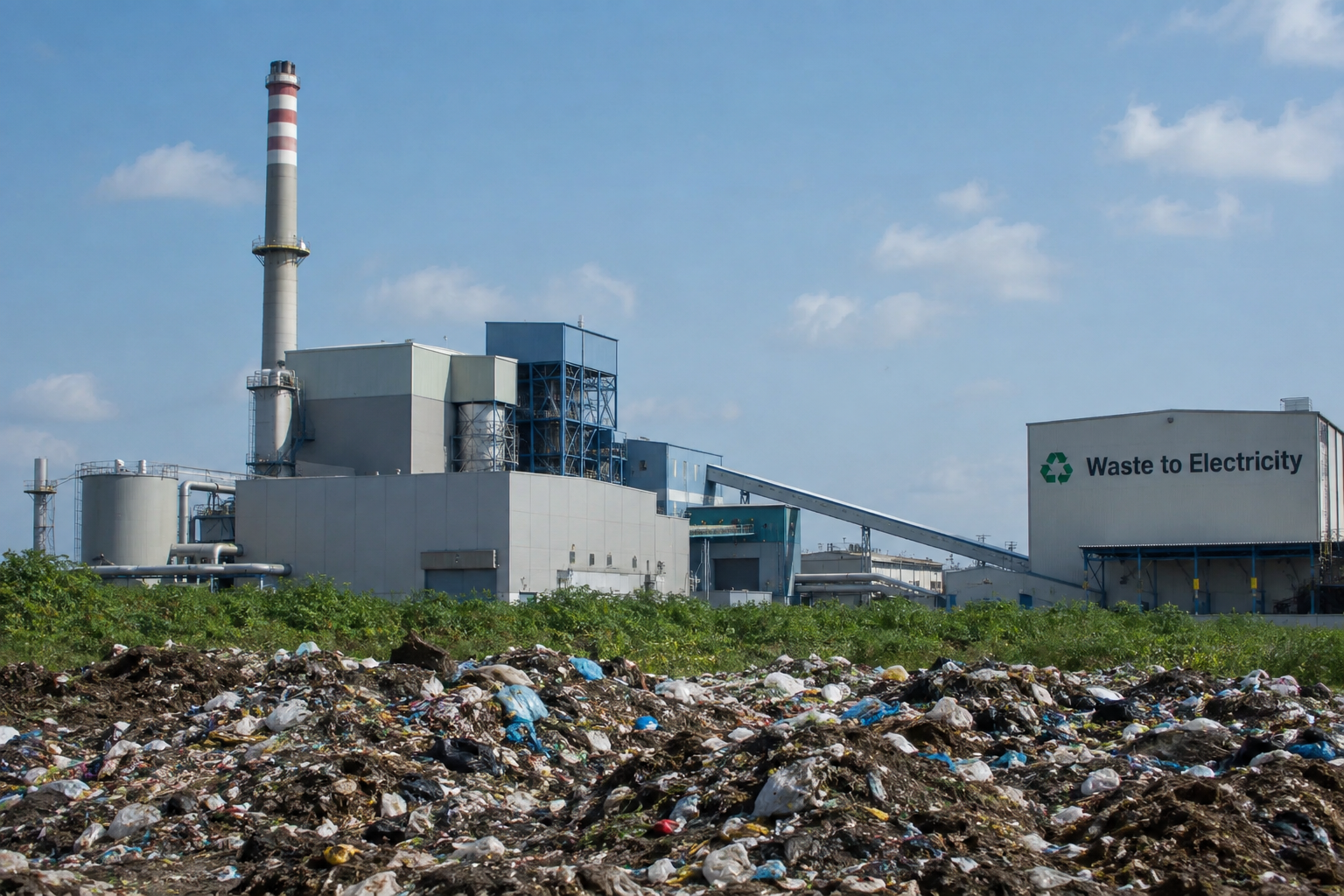
Residual materials are used to generate useful electricity.
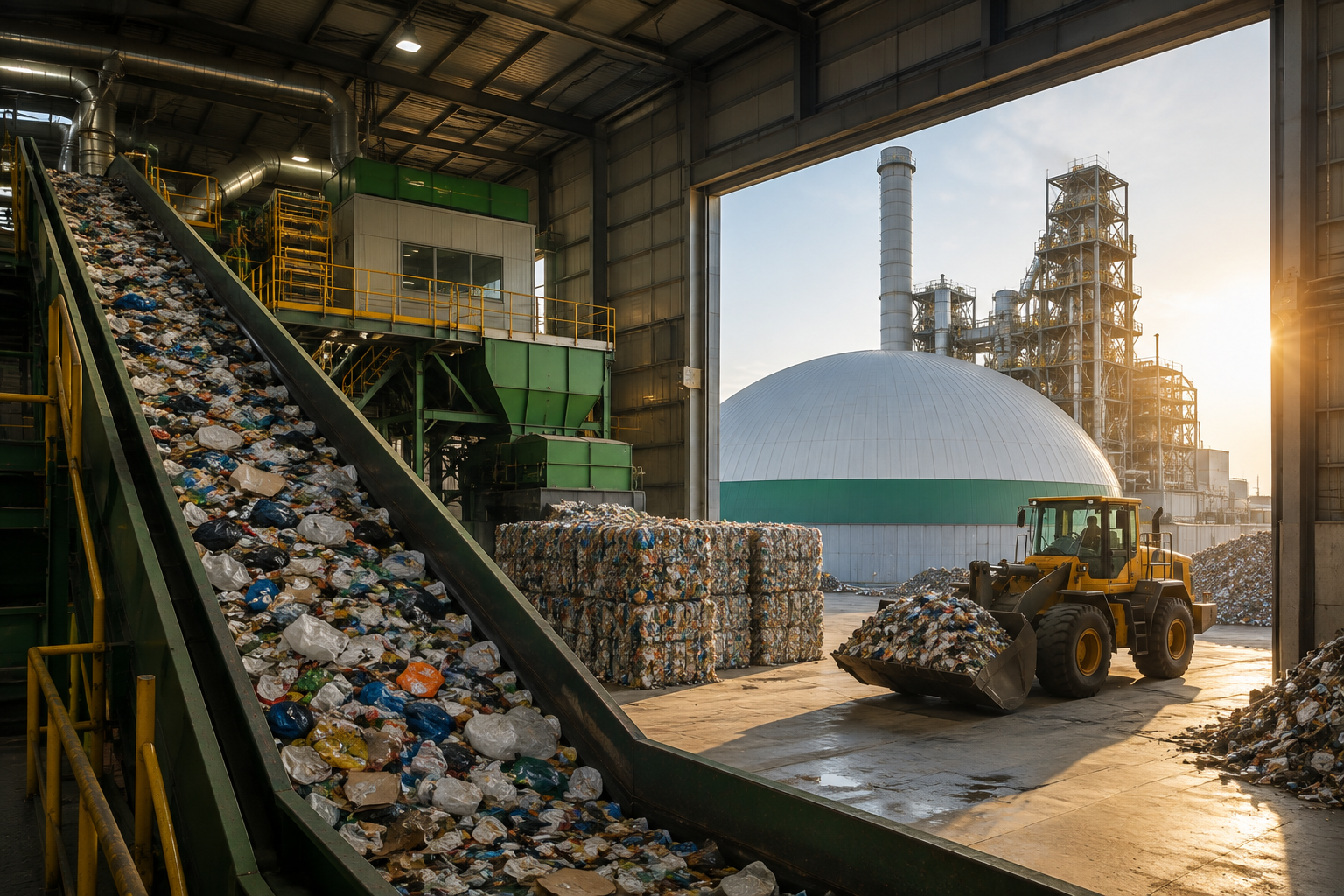
Helping materials that might otherwise be disposed of contribute to energy generation.
Energy recovery allows value to be recovered from residual waste that remains after opportunities for reuse and recycling have been exhausted.
At Riverside, the process is designed around controlled combustion, heat recovery, steam generation and electricity production, supported by modern environmental controls.
Residual waste that cannot reasonably be reused or recycled is delivered for energy recovery.
Waste is processed within a carefully controlled combustion environment designed for energy recovery.
The combustion process produces heat that can be captured rather than allowing that energy to go unused.
Recovered heat is used to produce high-pressure steam for the electricity generation process.
Steam drives turbine generation equipment, converting recovered energy into electricity.
Modern monitoring and emissions-control systems support safe and responsible facility operation.
The result is a controlled process that recovers useful energy from residual material while supporting better resource efficiency.
Riverside Energy Park is focused on recovering value from residual waste through modern energy recovery infrastructure, supporting a more efficient and sustainable approach to managing London's resources.
Recovering useful energy from residual waste that cannot reasonably be reused or recycled.
Making better use of residual resources while helping reduce dependence on landfill.
Infrastructure designed to support London's changing resource and energy requirements.
The traditional model of take → use → dispose places unnecessary pressure on natural resources and landfill capacity.
A circular economy takes a different approach. Materials should first be prevented from becoming waste wherever possible, while products and resources should be reused and recycled so they remain in circulation for longer.
For materials that cannot practically be recycled, energy recovery provides another opportunity to extract useful value before final disposal.
Riverside Energy Park forms part of a wider network of modern resource-management infrastructure — combining river transport, energy recovery, environmental controls and responsible operations in Belvedere, London.
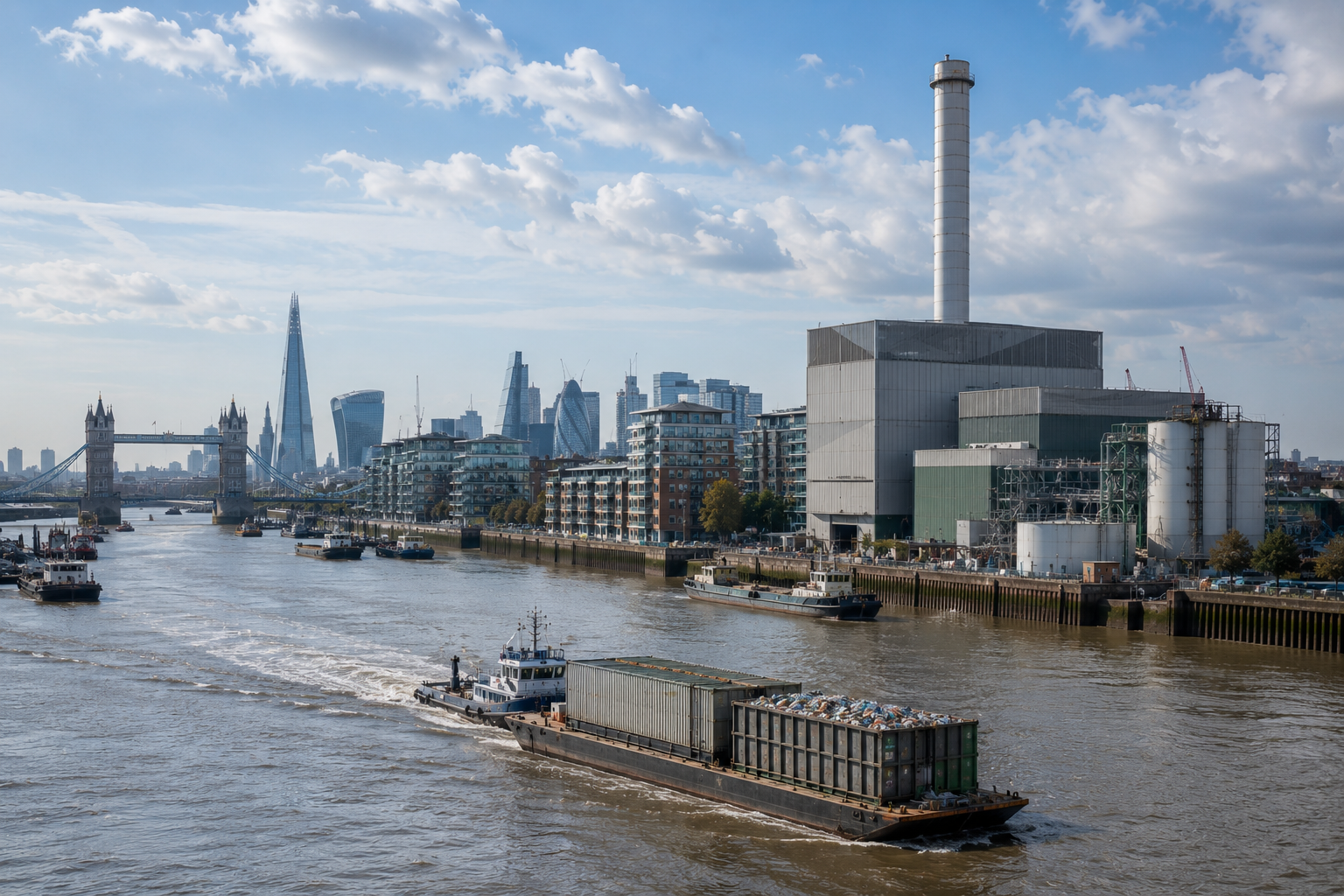
One of the distinctive features of the wider Cory resource-management system is its long-established use of the River Thames.
Waste collected at riverside transfer stations can be transported by barge along the Thames towards energy recovery facilities in Belvedere, helping reduce reliance on road-based transport.
Using the river as part of London's resource infrastructure shows how established transport networks can continue playing a valuable role in a modern city.
Modern energy recovery brings together waste reception, controlled recovery, steam generation, electricity generation, emissions treatment and material-management systems.
Environmental management is integrated throughout development and operation, with focus on compliance, air quality, resource recovery and continuous improvement.
Safety is treated as a shared responsibility, supported by appropriate procedures, training, risk management and operational controls.
Riverside Energy Park is positioned in Belvedere, alongside established energy, waste-management and River Thames infrastructure.
From river transport and energy recovery to environmental controls and safe operations, Riverside Energy Park is designed around the long-term infrastructure needs of London.
Contact Riverside